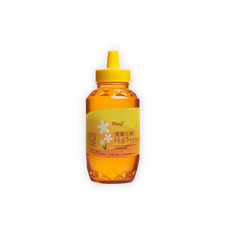
HUIJI HONEY PURE HONEY TEST AND PROVEN
In today’s wellness-focused world, natural immunity boosting has become essential for maintaining optimal health. While many turn to vitamin supplements and superfoods, pure honey remains one of nature’s most powerful immune supporters. However, with up to 76% of honey products containing foreign sugars or adulterants, knowing how to identify authentic honey is crucial for your health investment.
This comprehensive guide reveals expert methods to detect fake honey, understand honey quality indicators, and choose products that deliver genuine health benefits.
How to Detect Foreign Sugars in Honey: Simple Tests You Can Do at Home
The Hidden Truth About Honey Adulteration
Foreign sugar detection in honey is critical because adulterated products lack the therapeutic compounds that make honey beneficial. Common adulterants include corn syrup, rice syrup, and cane sugar—all cheaper alternatives that dilute honey’s natural properties.
5 Proven Methods to Test Honey Purity
1. The Water Dissolution Test
Mix 1 tablespoon honey in a glass of water
Pure honey: Settles at bottom, dissolves slowly
Fake honey: Dissolves immediately, creates cloudy mixture
2. The Thumb Test for Honey Authentication
Place honey drop on your thumb
Authentic honey: Maintains shape, doesn’t spread
Adulterated honey: Spreads quickly, feels runny
3. The Flame Test Method
Dip cotton swab in honey, light with match
Pure honey: Burns cleanly due to low moisture
Sugar-added honey: Won’t ignite or sputters
4. The Crystallization Test
Store honey at room temperature for weeks
Real honey: Crystallizes uniformly over time
Processed honey: Remains liquid or crystallizes unevenly
5. Professional Laboratory Testing
HPLC (High-Performance Liquid Chromatography): Detects sugar profiles
Carbon isotope analysis: Identifies C4 sugar additions
Pollen analysis: Confirms botanical origin
Honey Origin and Quality: Why Geography Determines Honey Benefits
Understanding Honey Terroir
Honey quality varies dramatically based on geographical origin. The concept of terroir—climate, soil, and local flora—directly impacts honey’s nutritional content and therapeutic properties.
Key Geographic Quality Factors
Climate Impact on Honey Quality:
Temperature ranges: Affect nectar concentration
Rainfall patterns: Influence flower blooming cycles
Seasonal variations: Create distinct honey harvests
Floral Source Diversity:
Monofloral honey: Single flower source, specific benefits
Multifloral honey: Multiple sources, broader nutritional profile
Wildflower honey: Maximum diversity, complex antioxidant profile
Environmental Purity Indicators:
Remote locations: Lower contamination risk
Organic certification: Pesticide-free environments
Protected ecosystems: Sustainable bee populations
Does Honey Expire? Understanding Honey Shelf Life and Storage
The Science Behind Honey’s Longevity
Pure honey shelf life is virtually unlimited when stored properly. Archaeological honey discoveries prove honey’s remarkable preservation properties, with 3,000-year-old honey remaining edible.
Honey Preservation Mechanisms
Natural Preservation Properties:
Low moisture content (17-20%): Prevents bacterial growth
Natural acidity (pH 3.2-4.5): Inhibits microorganisms
Hydrogen peroxide production: Antimicrobial enzyme activity
High sugar concentration: Creates osmotic pressure
Proper Honey Storage Guidelines
Optimal Storage Conditions:
Temperature: Room temperature (68-72°F)
Humidity: Low humidity environments
Light exposure: Dark storage areas preferred
Container type: Airtight, food-grade materials
Signs of Honey Deterioration:
Fermentation odor: Indicates moisture contamination
Unusual crystallization: Uneven or chunky texture
Off-flavors: Sour or alcoholic taste development
Complete Guide to Authentic Honey Identification
Visual and Sensory Authentication Methods
Physical Characteristics of Pure Honey:
Color Analysis:
Light amber: Acacia, clover honey varieties
Medium amber: Wildflower, orange blossom types
Dark amber: Buckwheat, manuka honey sources
Texture Assessment:
Viscosity: Thick, slow-flowing consistency
Clarity: Natural cloudiness from pollen particles
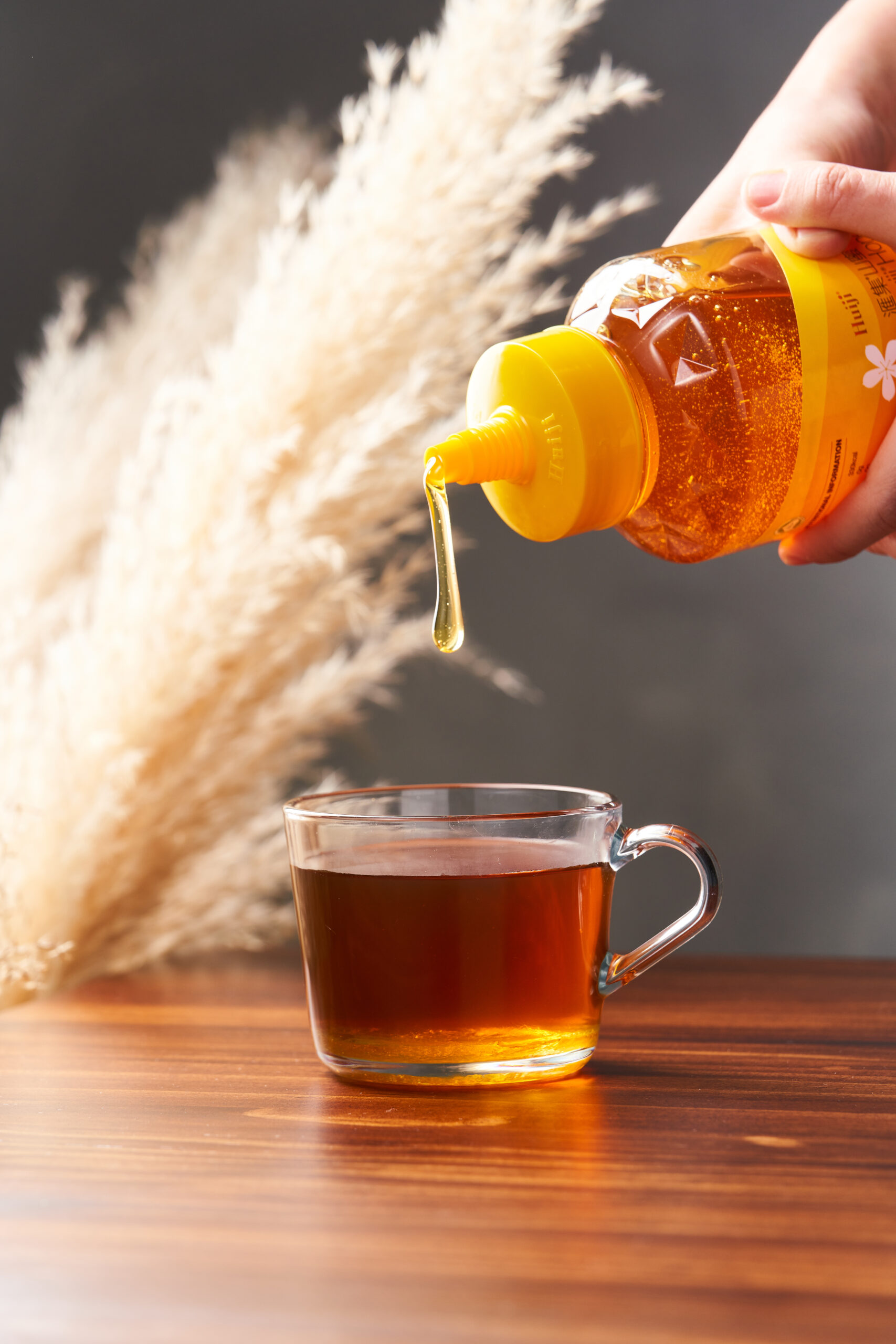
Surface tension: Forms ribbons when poured
Aroma Profile Evaluation:
Floral notes: Reflects botanical source
Intensity: Strong, pleasant fragrance
Complexity: Multiple scent layers
Advanced Authentication Techniques
Professional Testing Methods:
Moisture content analysis: Using refractometers
Enzyme activity testing: Diastase and invertase levels
Pollen microscopy: Botanical origin verification
Heavy metals screening: Safety contamination checks
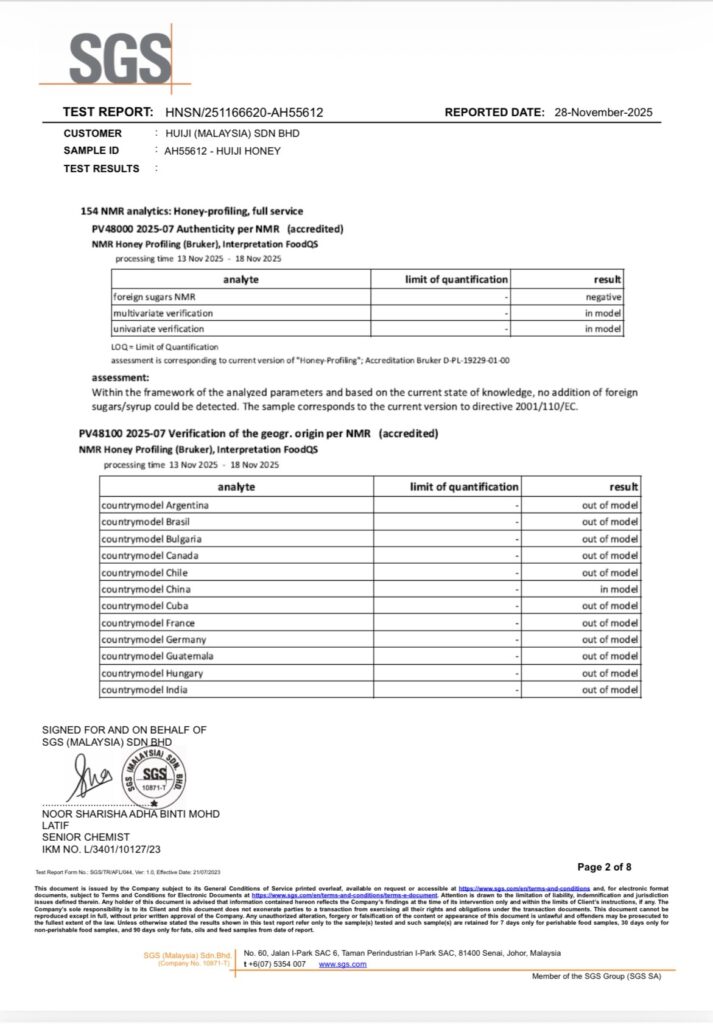
HUIJI’s SGS Laboratory Testing: Gold Standard for Honey Purity
Understanding SGS Certification Standards
SGS (Société Générale de Surveillance) represents the gold standard in honey testing, providing comprehensive analysis that ensures authentic honey quality. This international certification validates honey purity through rigorous scientific protocols.
Comprehensive SGS Testing Parameters
Chemical Analysis:
Moisture content: Optimal preservation levels (≤20%)
HMF (Hydroxymethylfurfural): Heat exposure indicator (≤40mg/kg)
Diastase activity: Natural enzyme presence (≥8 Schade units)
Electrical conductivity: Mineral content assessment
Contamination Screening:
Heavy metals: Lead, mercury, cadmium, arsenic detection
Pesticide residues: 500+ chemical compound analysis
Antibiotic residues: Veterinary drug screening
Radioactivity: Nuclear contamination assessment
Microbiological Safety:
Total plate count: Bacterial contamination levels
Yeast and mold: Fermentation risk assessment
Pathogen screening: Salmonella and E.coli detection
Clostridium spores: Infant botulism prevention
HUIJI’s Transparency Commitment
Every HUIJI honey batch undergoes complete SGS analysis, with test certificates available for customer verification. This transparency ensures consumers receive laboratory-verified pure honey that meets international safety and quality standards.
HUIJI Honey: Premium Quality Through Sustainable Excellence
Company Foundation and Quality Philosophy
HUIJI’s founding principles center on delivering authentic honey that preserves nature’s complete nutritional profile. Established with a commitment to transparency and sustainability, HUIJI has built reputation through consistent quality delivery and environmental responsibility.
Sourcing Excellence and Supply Chain Management
Certified Apiary Partnerships:
Direct relationships: Long-term beekeeper contracts
Geographic diversity: Multiple pristine source locations
Seasonal optimization: Harvest timing for peak quality
Sustainable practices: Bee-friendly harvesting methods
Quality Control Process:
Source verification: Apiary certification and monitoring
Harvest standards: Minimal processing preservation
Transportation protocols: Temperature-controlled logistics
Storage management: Optimal warehouse conditions
Packaging integrity: Food-grade container systems
Nutritional Benefits of HUIJI Honey Varieties
Specialized Honey Types:
Manuka honey: Unique methylglyoxal content for antimicrobial benefits
Wildflower honey: Broad-spectrum antioxidants and enzymes
Acacia honey: Low glycemic index, suitable for diabetics
Clover honey: Mild flavor with consistent therapeutic properties
Honey Crystallization: Natural Quality Indicator
Understanding the Crystallization Process
Honey crystallization is a natural quality indicator that confirms authentic, unprocessed honey. Many consumers mistakenly view crystallization as spoilage, when it actually demonstrates honey purity.
Crystallization Science
Factors Influencing Crystallization:
Glucose-to-fructose ratio: Higher glucose promotes faster crystallization
Pollen particles: Nucleation points for crystal formation
Temperature fluctuations: Cool storage accelerates process
Water content: Lower moisture supports crystallization
Crystallization Patterns:
Fine crystals: Smooth, creamy texture
Coarse crystals: Grainy, sandy consistency
Uniform crystallization: Even crystal distribution
Partial crystallization: Mixed liquid and solid phases
Managing Crystallized Honey
Safe Liquefaction Methods:
Water bath heating: Maximum 40°C (104°F)
Gradual warming: Preserve enzyme activity
Avoid microwaving: Prevents enzyme destruction
Stirring technique: Gentle mixing during warming
Pure vs. Processed Honey: Health Impact Comparison
Nutritional Differences in Processing Methods
The distinction between pure honey and processed honey significantly affects therapeutic benefits and immune system support.
Pure Honey Advantages
Complete Enzyme Profile:
Diastase: Starch digestion support
Invertase: Sucrose breakdown enzyme
Glucose oxidase: Antimicrobial hydrogen peroxide production
Catalase: Antioxidant protection
Bioactive Compounds:
Flavonoids: Anti-inflammatory properties
Phenolic acids: Antioxidant activity
Amino acids: Essential protein building blocks
Vitamins: B-complex and vitamin C content
Minerals: Potassium, calcium, magnesium presence
Processing Impact on Honey Quality
Heat Treatment Effects:
Enzyme deactivation: Temperatures above 40°C destroy beneficial enzymes
HMF formation: Heat creates potentially harmful compounds
Antioxidant reduction: Processing diminishes therapeutic compounds
Flavor alteration: Heat changes natural taste profiles
Filtration Consequences:
Pollen removal: Eliminates beneficial micronutrients
Protein extraction: Reduces amino acid content
Trace mineral loss: Filtration removes essential elements
Honey Tasting Guide: Developing Quality Recognition Skills
Professional Honey Evaluation Techniques
Developing honey tasting skills helps identify high-quality honey and appreciate authentic products’ complexity.
Systematic Tasting Methodology
Visual Assessment:
Color evaluation: Light transmission and amber intensity
Clarity analysis: Natural cloudiness vs. artificial clarity
Consistency observation: Viscosity and flow characteristics
Aroma Evaluation:
Initial fragrance: First scent impression
Intensity measurement: Strength of aromatic compounds
Complexity identification: Multiple scent layers
Floral recognition: Botanical source identification
Taste Analysis:
Sweetness balance: Natural sugar complexity
Flavor development: Initial, middle, and finish notes
Texture appreciation: Mouthfeel and viscosity
Aftertaste quality: Lingering flavor characteristics
Quality Indicators Through Sensory Analysis
Premium Honey Characteristics:
Balanced sweetness: Not overwhelming, complex flavor profile
Natural complexity: Multiple flavor dimensions
Clean finish: No artificial aftertaste
Aromatic intensity: Strong, pleasant fragrance
Smooth texture: Creamy mouthfeel without grittiness
Boost Your Immunity with Authentic HUIJI Honey
The Power of Pure Honey for Natural Health
Authentic honey provides powerful natural immunity support through its unique combination of enzymes, antioxidants, and antimicrobial compounds. Unlike processed alternatives, pure honey retains all therapeutic properties that have supported human health for thousands of years.
Why Choose HUIJI for Your Health Journey
Quality Assurance Benefits:
SGS laboratory verification: International testing standards
Transparent sourcing: Direct apiary partnerships
Sustainable practices: Environmental responsibility
Complete traceability: Origin to bottle documentation
Consistent quality: Batch-to-batch reliability
Health Investment Value:
Preserved enzymes: Maximum therapeutic benefit
Natural antioxidants: Cellular protection support
Antimicrobial properties: Natural immune enhancement
Bioactive compounds: Complete nutritional profile
Take Action for Better Health Today
Don’t compromise your health with questionable honey products. Choose laboratory-tested, authentic honey that delivers proven benefits for your natural immunity and overall wellness.
Experience the HUIJI difference with SGS-certified pure honey that supports your health goals naturally.
Shop HUIJI Premium Honey Collection – Verified Pure & Authentic
Related Keywords: pure honey benefits, authentic honey testing, natural immunity booster, honey quality indicators, SGS certified honey, detect fake honey, honey crystallization natural, premium honey Singapore
This information is for educational purposes. Consult healthcare professionals for specific medical advice.