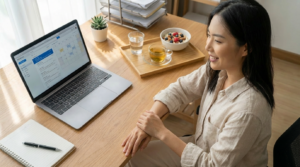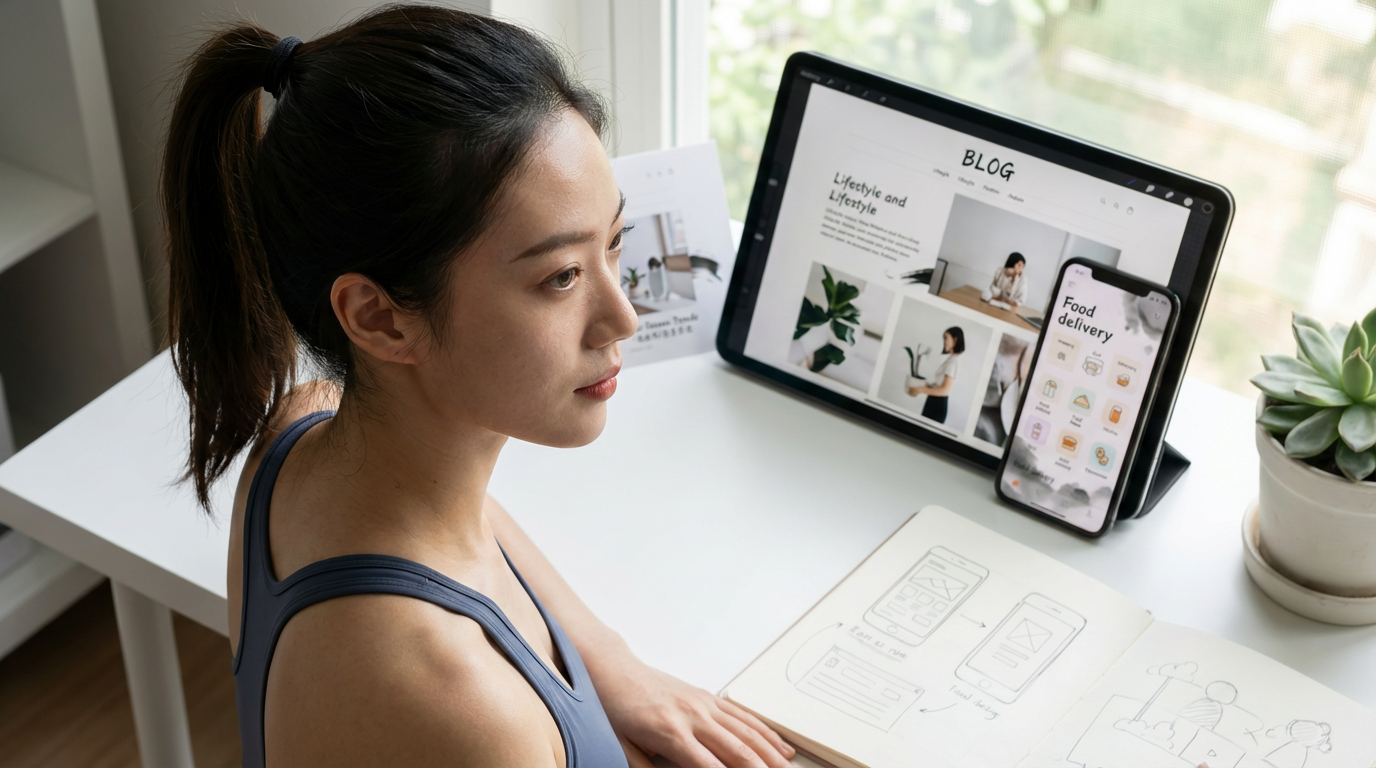



A modern body can look “fine” while its baseline slowly drifts. This guide maps how prolonged sitting and constant screen use quietly affect regulation, then outlines steadier daily choices that protect long-term vitality.
Introduction
In simple terms, sitting and screens are not only lifestyle details. They are a daily environment that shapes posture, breathing, light exposure, attention, and nervous system tone. These inputs influence whether the body spends enough time in a state of maintenance, where repair, digestion, and recovery can complete.
This matters in modern life because sitting and screens are often continuous, not occasional. A thoughtful person can exercise, eat well, and still live with long hours of physical stillness and cognitive stimulation. Over time, the cost is usually quiet. Sleep becomes lighter, digestion becomes more timing-sensitive, mood becomes less smooth, and energy feels less buffered.
Traditional Chinese Medicine offers a parallel systems map. Long sitting often resembles constraint and stagnation in the sense of reduced smooth flow, and it can burden the Spleen system associated with transformation and steady energy. Prolonged screen use often disturbs settling and rest, commonly described through the Heart and Shen, and can tighten regulation patterns linked with the Liver system. Read responsibly, these are not diagnoses. They are reminders that inputs shape rhythm, and rhythm shapes resilience.
How This Affects the Body as a System
Sitting and screens influence the whole body because they change how the nervous system allocates attention and how the body moves fluids, breath, and tension through the day.
| System area | What prolonged sitting and screens tend to shift | What serious readers track over time |
| Breath, posture, and muscle tone | Longer sitting often narrows breathing and increases held tension in jaw, neck, shoulders, hips. Screens intensify forward-head posture and visual strain. | Default tension at rest, ease of deep breathing, stiffness that returns quickly after movement. |
| Circulation and “flow” | Physical stillness reduces the natural movement that supports circulation and lymph flow. The body can feel heavier and less responsive even without obvious pain. | Cold hands or feet, heaviness after long days, reduced sense of physical ease. |
| Digestion and appetite rhythm | Screen-eating and rushed meals reduce digestive pacing. Sitting all day can make the abdomen feel tighter and appetite cues less clear. | Meal timing sensitivity, post-meal steadiness, regularity across busy weeks. |
| Sleep and nightly downshift | Screens add light exposure and mental stimulation late in the day. The nervous system learns that “off” is uncertain, so sleep can be long but lighter. | Time-to-settle at night, sleep depth, waking baseline, dream intensity. |
| Stress tone and attention | Notifications and constant input train micro-urgency. Even in quiet moments, the system stays ready. | Ability to downshift during breaks, irritability, mental fatigue, ease of calm. |
| TCM systems view | Reduced movement can resemble constrained flow and damp accumulation, often linked with the Spleen and smooth regulation of the Liver. Screen-driven stimulation can disturb Heart and Shen settling. | Smooth mood transitions, steadier digestion, more reliable sleep depth over weeks. |
A responsibility lens that holds up over decades is simple: the body adapts to what repeats, and sitting plus screens often repeat more than we notice.
Common Modern Habits That Disrupt This Balance
These patterns are normal in capable lives. Naming them supports awareness, not blame.
- Long uninterrupted sitting blocks: hours pass with minimal standing, walking, or posture change, so the day has fewer natural reset points.
- Screen-first mornings and screen-last evenings: the nervous system starts activated and ends activated, making the baseline harder to reach.
- Meals paired with input: eating while working or scrolling reduces digestive pacing and weakens the feeling of closure around meals.
- Micro-urgency loops: notifications, inbox checking, and fast context switching keep attention in a continual partial-alert state.
- Exercise used as compensation: a single intense session attempts to “fix” a day of stillness, but the nervous system still lacks frequent downshifts.
- Indoor, static routines: limited daylight exposure and limited gentle movement reduce rhythm cues that support sleep, appetite, and mood steadiness.
Silent decline usually looks like repeatable small drift: lighter sleep, tighter breath, noisier digestion under pressure, reduced patience, and slower bounce-back after ordinary demands.
Gentle Ways to Support Balance Naturally
These are not treatments. They are repeatable supports that reduce friction and make maintenance easier to access. Consistency matters more than intensity.
- Protect brief movement punctuation Build small standing and walking moments into the day so stillness does not become continuous. The aim is frequent circulation and posture change, not fitness.
- Create one daily screen boundary that repeats Choose a steady screen-off window, a device-free meal, or a fixed evening cutoff for work messages. One consistent boundary often stabilises sleep quality.
- Separate rest from more input Keep a short low-input period that is genuinely quiet. This is where the nervous system relearns what “off” feels like on ordinary days.
- Treat posture as a regulation cue Simple adjustments like sitting back, softening the jaw, lowering the shoulders, and widening the breath are small signals of safety. Repetition makes them meaningful.
- Use meals as rhythm anchors Prioritise calmer pacing and more consistent timing. This supports digestion and reduces the sense that the day is one long, unfinished task.
- TCM-informed reminder, kept practical More movement supports smooth flow, steadier meals support the Spleen lens of transformation, and quieter evenings support Heart and Shen settling. The goal stays concrete: a baseline that returns more reliably.
Closing Reflection
Sitting and screens rarely harm through one dramatic event. Their effect is usually a slow shift in rhythm, posture, attention, and recovery quality. For readers who treat health as a responsibility, the work is steady. It is the discipline of shaping daily inputs so the body spends more time in maintenance, not only in mobilisation.
Long-term vitality is protected by small boundaries that repeat, frequent gentle movement, calmer meals, and evenings that allow a true downshift. Related areas worth exploring include sleep quality, digestion under stress, nervous system regulation, and recovery capacity.
Check out Huiji Products here–>